The perfect completeness of eggs and why my writing is anything but...


I have developed a (probably irrational) dislike of posts that begin with “Am I the only one who…” and then proceed to describe an incredibly common human experience as though it were a divine revelation. Amplified by social media algorithms that favour superficial engagement, their strong PFB (precious firstborn) energy and narcissistic overtones drive me round the bend. (I should probably bring this to therapy lol.)
So I am not going to ask whether I am the only one who files copy only to: 1. instantly identify at least two errors, revealed like a vision sent by God the moment I click “send”; and 2. immediately come across several more absolutely fascinating and pertinent points, pieces of research, quotes, or opinions I might have included had I not already filed. (The answer is “nearly all of us”.)
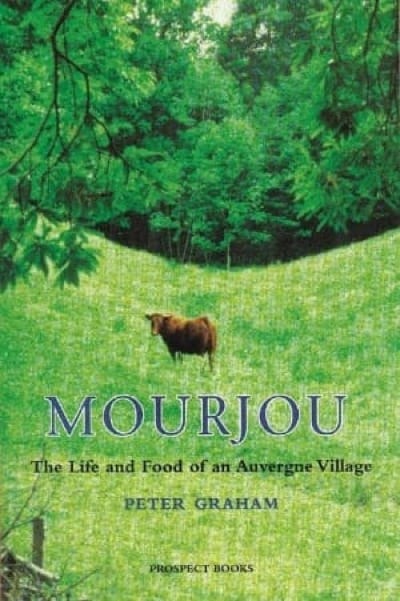
My most recent recipe column is a case in point. After filing 1.2k words about the meals I call “old faithfuls” — i.e. the ones that taste good and always work (omelettes and frittatas, for example) but which I tend to mischaracterise as lazy or unimaginative in the face of more glamorous and unusual recipes — I more or less immediately read a brilliant chapter titled “Egg Dishes and Pancakes” in Peter Graham's book, 'Mourjou: The Life and Food of an Auvergne Village' packed with pertinently fascinating references. My editor is used to receiving post-filing emails from me along the lines of “STOP!! HERE’S ANOTHER VERSION — IGNORE THE LAST ONE PLEASE!” because I’ve spotted a typo, but I have yet to add an entire extra paragraph because of my tendency to overresearch (again, a common affliction, not evidence that I am a Special Flower). But I really wanted to tell readers about Graham’s brilliant book, and this particular chapter reflected my own feelings about the perfect completeness of a meal made from eggs, so here we are.
In just one page, Graham references an Auvergne saying — “Les poules pondent par le bec” (“hens lay through their beaks”) — before evoking the gastronomic peak experience that is a perfectly boiled egg from a farmyard hen. He discusses the unfair criticism directed at food writer Robert J. Courtine, after he declared boiled egg and soldiers to be his desert-island dish, and quotes Henry James's description of a similar lunch eaten in Bourg-en-Bresse as “...the best repast possible...La plus belle fille du monde, as the French proverb says, ne peut donner que ce qu’elle a, and it might seem that an egg which has succeeded in being fresh has done all that can reasonably be expected of it.” There's so much food for thought here about the cultural ratification of perfection, and how we distinguish between what is considered basic and what is regarded as fundamental when it comes to ingredients and their preparation.
Graham then offers a recipe inspired by a conversation with Father Louis Bedel, his neighbour, for Omelette du Curé, “so named because in the past the ingredients that go into it are those that parishioners most often offer as gifts to the parish priest”. Menettes — members of a lay order of Jesuit nuns created in 17th-century Aurillac — sometimes cooked for the local curé, which made me wonder what it must have felt like to end up cooking for a man after eschewing marital domesticity for convent life. Nowadays, the term has evolved to describe “any pious spinster or widow who can be relied on to help out in the kitchen in an emergency”, writes Graham, noting that Fr Bedel — who was taught to cook by his mother — refuses to deploy a menette on account of their being “dreadful nosey parkers”, which strikes me as somewhat lacking in self-awareness. In my experience — admittedly shaped by the behaviour of religious authority figures in novels by Joanne Harris, Willa Cather, J.F. Powers, Jon Hassler, and Barbara Pym, as well as the few years I spent living in villages — curates et al. tend to be the biggest gossips and meddlers of all.
Part cookbook, part memoir, and part cultural history of the Auvergne region in central France, Mourjou, published in 1998, is an incredible resource for anyone wanting to learn about regional French food. Its seven-page bibliography — mostly in French — is invaluable, as is Graham’s journalistic rigour: every recipe is attributed in both text and index to its donor, and he explains how he negotiates the historical and transliterative tensions between classical French and the Auvergne’s Langue d’Oc (Occitan).
Drawing on two decades of his life living in the remote village of Mourjou Graham explores how food, landscape, tradition, and community are deeply intertwined in rural French life. Rather than corralling recipes into discrete sections, he weaves them through his prose to emphasise the cyclical, rhythmic nature of the traditional Auvergnat culinary calendar, built around ingredients grown, hunted, gathered, and cooked by a historically poor but resourceful farming culture. Swiss chard, chestnuts, black pudding, cabbage, salt cod, trout, crayfish, ceps, game, lentils, local cheeses, foraged greens and herbs, pork, veal, chicken, potatoes, pumpkins, and prunes feature heavily, deployed in endless permutations. Many of these ingredients are threatened by agricultural pollution, landloss, the endless incursion of packaged, readymade meals and fast food and the sheer economic precarity of rural living. Rereading Mourjou in 2026 is to realise how much has been lost.
A few other things I've read/talked about this week:
- I adored Ben Mimms' fantastic essay for Bitter Southerner about Little Debbie, one of my favourite American brands because of its joyously colourful, childlike packaging. The fact that these boxed sweet things are industrially-produced corn syrup-suffused mutants isn't the point. You don't have to eat them to appreciate their whimsical weirdness (although the Nutty Buddy Bars and Peanut Creme Pies are pretty lush) but I always make a point of visiting the Little Debbie stands in stores to see what mad seasonally-themed product they've devised this time.
- My son is on leave from his ship based in the South Atlantic (South Georgia, The Falklands) and when he visited last week I showed him my collection of Antarctic-related food and cookbooks which he found both fascinating and randomly bemusing. If you're interested, I recommend The Antarctic Book of Cooking and Cleaning and Hoosh: Roast Penguin, Scurvy Day and Other Stories of Antarctic Cuisine by Jason C. Anthony. (He's interviewed here).
- My strawberry plants are flowering and on the market, punnets of strawberries are beginning to appear. I used to visiting pick-your-own farms with my grandparents where my grandfather and I would eat our own weight in fruit while my grandmother pretended not to know us, before offering the farmer triple the amount charged for the punnets we'd picked. Once home, the berries were sliced and sprinkled with sugar then left to macerate until the juices ran when we'd eat them topped with double cream from Jersey cows (the berry juices turn the cream pink-so pretty! We'd have to wait for a few hours by which time my grandfather and I were in full denial of the fact that on leaving the fruit fields we'd groaned that never again would we eat another strawberry, had recovered from our fruit-induced bellyaches, and were ready to go another round. My other strawberry memory is of that scene in Tess of the D'Urbervilles, a book from my early 80s A level Eng Lit syllabus. Classes were helmed by two super-feminist teachers (one male one female) who made space for female students to voice their outrage by asking male students to sit and listen to us.