A site-specific gumbo


The best gumbo I ever ate was served in Houma and made with poule d'eau (known as the marsh duck in Louisiana, pronounced 'pool doo') a small coot that feasts on aquatic vegetation, bugs, small eggs and invertebrates such as shrimp and crawfish. (During breeding season they switch to a predominantly seafood diet, a fact that makes me laugh as I imagine Mr Poule d'Eau serving up platters of oysters to his potential sexual partners.) The duck's meat is marshy, brackish and somewhat fishy, an evocative distillation of Louisianan bayou food culture. I grew up with a father who hunted game (informally, not on shoots) in watery East Anglia, a terrain remarkably similar to southern Louisiana- so similar it made us laugh on the drive from New Orleans to Jeannerette.
I've eaten countless gumbos across Louisiana or made by Louisianans living abroad and cooked hundreds more myself. But nothing beats a gumbo in situ and Poule d'Eau Gumbo might be the queen of them all because it does not exist outside of Louisiana's hunting grounds. The much-abused term 'terroir' is deeply appropriate here.
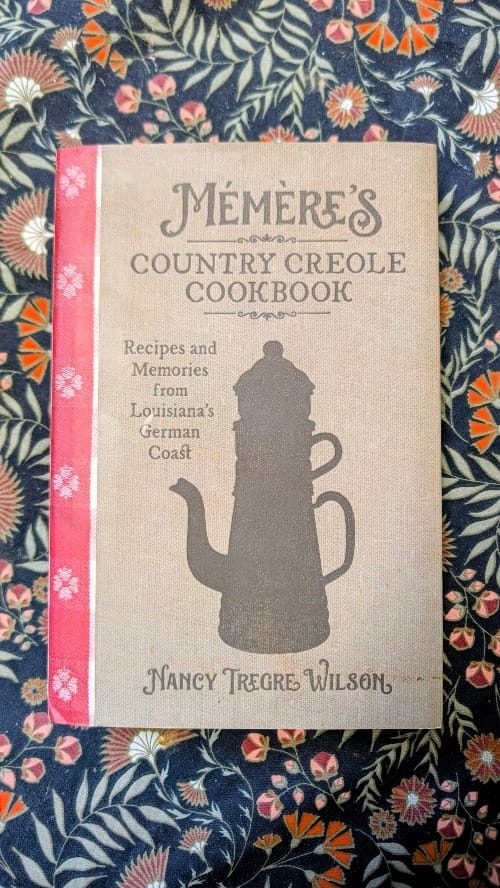
There's a recipe for this gumbo in Mémère's Country Creole Cookbook by Nancy Tregre Wilson, a descendant of German immigrants from Rhineland along Germany's eastern border with France who settled in St Charles and St John the Baptist parishes some 20 miles upriver from New Orleans on the eastern banks of the Mississippi. This neck of the woods is known as the Côte des Allemands for obvious reasons.
The Mémère in the book's title refers to Tregre Wilson's French and German great grandmother, Nellie, Schexnayder Zeringue who grew up cooking the native game, fish and seafood and produce of St John the Baptist Parish, and learned how to bake French pastries from her own mother.
Tregre Wilson's family describes their cooking as Country Creole: "Why do I use 'Creole' rather than 'Cajun' in this book's title?" she writes. "Creole best describes the people of the German Coast. Creole is a 17th century word from the Spanish 'Criollo" which designates a person of European descent born in some part of the world other than Europe" is the answer. German Coast residents are mainly descendants of German, Canadian French, Spanish and European French immigrants; the first Germans arriving in 1721, preceding Acadians by some 40 years. "Many generations created our brand of cuisine, each facing the challenge of adapting what they knew to what was available and sharing their cooking discoveries with friends and family," she adds.
Some more recipes from the book:
A quick and easy Gumbo Vert (cousin to Gumbo z’Herbes); Mirliton Salad (mirliton is an edible squash known as ‘chayote’ in other parts of the world); Swiss Cheese and Ham Soup; the wonderful Tarte à la Bouillie (a deeply regional boiled-custard pie also on the menu at Tableau in New Orleans); Oatmeal Cake with Coconut Frosting, Chocolate Cobbler Cake, and Gâteau de Sirop; Fish Court Bouillon; Piggy Carrots (“if ever there was an heirloom recipe…”), flavoured with seasoned bulk pork sausage (i.e. sausage sold without a casing); German Coast Chicken Stew; Blackbird Jambalaya (which requires six birds, which can only be hunted if they are harming agricultural crops), or ‘Converted Rice’ (Barley Jambalaya); Maque Choux (a stewed corn dish whose roots lie in the introduction of corn to Louisiana colonists by the Taensa and Ouachita peoples); La Cuite Taffy (made with thick sugarcane syrup); Bread Pudding with Meringue (“we always topped our bread pudding with meringue, and we never served it with a sauce”); Creole Cream Cheese (one of the most divine foods I’ve ever eaten); Kidney Stew; Grits and Grillades; Daube (aka, how to make the most of what were then relatively inexpensive cuts of beef); and a simple recipe for a ‘Poor Boy Sandwich’, to remind us of its humble roots.
More reading:
(Some of these links are affiliated and go to my Bookshop.Org page where I earn a small commission from any subsequent book sales.)
Sadly, Kitchen Witch, the wonderful cookbook shop in New Orleans is long-closed but I did interview its owners here. They gave me a fantastic list of recommended Louisiana-related reading.
Ken Wells writes so beautifully about the food of Louisiana. I love his books Gumbo Life and Boudin. He's written a novel set in the state, too.
In Beyond Gumbo, Dr Jessica B. Harris calls Creole cuisine "the original fusion food" and explores its incredible range across the Atlantic Rim through essays, recipes and imagery.
The much-loved Kolbs in New Orleans which closed in the early nineties is described as "..the last bastion of German-American culinary relevance: an institution famous for its ability to combine the entrenched Creole flavors of New Orleans with the cuisine of its homeland," by Phil McCausland in Gravy, The Southern Food Alliance's food quarterly.
I wrote about going crawfishing near New Iberia and the landscape's similarities to East Anglia for Suffolk News. There's a recipe for Cajun spiced crayfish and brown shrimp cornbread, too.