Spring list: part one

Every time I compile a roundup of upcoming food and cookbooks, I marvel at what a great season it's shaping up to be. It's very hard to choose which ones to highlight; there are so many that I am publishing this guide in two parts. Part Two (covering April releases) will come out in three weeks. Some of these reviews appear in my Suffolk News food column.
Spring highlights: more regional and national African cookbooks by ancestrally connected authors; books exploring the food of marginalised cultures and communities; hyper-regional cookbooks; BBQ guides written by women, and some excellent single-subject cookbooks (one of my enduring obsessions).
A cookbook habit can be expensive, but most — if not all — of these titles can be ordered through your local library, if you’re fortunate enough to have one. And keep an eye out for excerpted recipes and extracts in newspapers and magazines around the time your chosen book is published.
Note: I have added details of each book (where possible) to my Bookshop.Org store page. This is an affiliate link that earns me a (very) small commission from each sale.
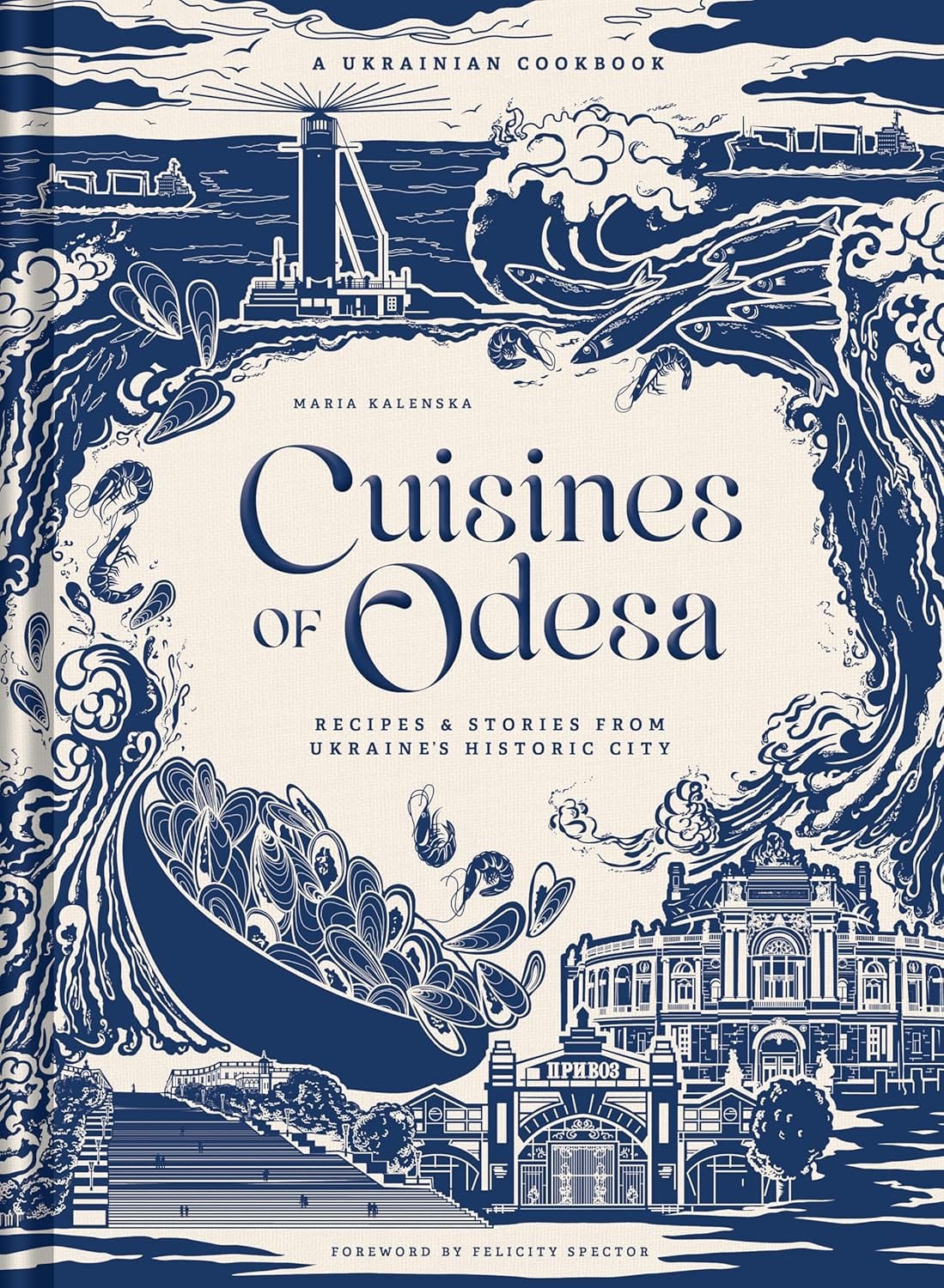

Cuisines of Odesa: Recipes and Stories from Ukraine's Historic City: A Ukrainian Cookbook (Insight Editions)
Maria Kalenska is a fourth-generation Odessan writer and cook with years of experience in the hospitality industry. She opened and ran Odesa's first cooking school and worked on the EU Geographical Indication project, helping develop Ukraine’s first food-and-wine route and leading food tours in Bessarabia. This makes her uniquely qualified to compile a collection of recipes and family stories from 100 Odesans now living around the world in the form of this, her first book. Odesa is "both worldly and a universe of its own," she writes, listing the street names that bear witness to its cosmopolitan nature, the result of centuries of migration and its historical status as a free port. Greeks, Slavs, Lithuanians, Tatars, Ottomans, Moldavians, Russians, Northern Europeans and Christian Albanians left their cultural mark — although the most recent Russian invasion and occupation, which began in 2022, has been one of erasure. Odesa's UNESCO heritage sites have been bombed to destruction as Russia continues its relentless attempts to recolonise the city and the rest of Ukraine in the belief that the nation is little more than an offshoot of Russian civilisation. Odesa, being a warm-water port, has suffered greatly.
"I really wanted to capture the story of our city before, possibly, it was too late. I wanted to show our diversity and what we call our colorit, a very particular Odesan vitality, our life force," she writes. "I was trying to find an answer to the question of what was special about Odesa that we can never forget, no matter where we end up living."
An overflowing table, nose to tail eating, feeding children well-and a lot, enjoying life but making sure lunch is always punctual, preserving as much as you can because food in winter should be as diverse as it is in summer, and food as medicine are just some of the philosophies important to Odesans and Ukraine as a whole, she writes, prefacing a section on the produce the country excels at: dill, Mikado tomatoes, yellow cherries and rich Odesa Black grapes, Brynza cheese, Rodnichok cucumbers displayed like priceless jewels by market traders, and the sunflower oil and seeds that "to a Ukrainian is what olive oil is to a Greek— we eat it all day, every day, for its flavor and smell, especially if we move abroad to remind us of home." The photography is breathtakingly beautiful.
And then come Kalenska's recipes. We're shown how to make our own Syrniki (using her Ukrainian grandma's curd cheese recipe) to fill Placinta Savory (Sweet Flatbread Finger-Size Pancakes) from a recipe by chef Andrej Velichko; Alla's recipe for Flecked Bean Tzimmes reflects Odesa's long history as a place of refuge for Jewish people (the city was one of the few major cities in the Russian Empire where Jews were allowed to settle); Korean-ish Carrots represents the "so-called Koryo-saram people—ethnic Koreans living in the post-Soviet space.... known to everyone from the Soviet Union, but not many people know that their popularity can be traced back to Odesa." A recipe for Very Bright Chicken Borsch shows us how to retain its vividness during the cooking process; salty Brynza cheese is scattered over mussels as they cook; sprats from the Black Sea are battered and fried or marinated in sugar and salt to make a sandwich filling, fresh roe is frittered, and mussels are added to pilaf; polenta is flavoured with bacon and salty sheep's cheese; Noodly-Stroodly Dumplings with Pork Stew tiny rolled cookies are filled with plum jam and walnuts; Prunes and walnuts are soaked in Odesa Black wine made with grapes from the vineyard, Villa Tinta; meringue-topped biscuits made with a curd cheese-enriched dough resemble golden roses; and mulberries, rose petals and yellow cherries are turned into jam. (Recipes are in metric and imperial.)
Chocolate Baking: The Ultimate Guide to Cakes, Cookies, Desserts & Pastries by Edd Kimber (Quadrille Publishing Ltd)
While chocolate is no stranger to Edd Kimber's seven previous books, this time it takes centre stage. The result is 100 recipes in which chocolate either leads or plays a supporting role, alongside a practical troubleshooting guide designed not only to help readers avoid common pitfalls, but to rescue bakes when things go wrong. As Kimber points out, chocolate is an expensive ingredient — the least he can do is help you not waste it.
Kimber begins by explaining what chocolate actually is and, in an essay on its history, confronts the abusive practices historically embedded in cocoa farming. He offers advice on buying ethically and challenges the assumption that a high cocoa percentage automatically equates to high quality. Readers are guided through the varieties of chocolate and cocoa powder, the terminology used by chocolatiers and bakers, and the ingredients deployed throughout the book. A wealth of practical techniques — tempering, ganache-making and melting, among others — are explained clearly and supported by photographic guides.
Recipes are organised into sections: cakes; cookies and bars; pastries; bread; building blocks; and sweet treats. The Sweet Treats chapter includes a homemade hot chocolate mix, two chocolate spreads (hazelnut paired with either white or dark chocolate), and simple truffles. The Building Blocks section is packed with pastry recipes, ganaches and buttercreams, simple syrups and custards, and the book finishes with suggestions for using up leftover egg yolks and whites.
Kimber’s recipes are often playful — something I think is vital in baking — but they are always underpinned by careful attention to feasibility. He knows they must be achievable in terms of time, cost and skill for the average home baker. His deep understanding of flavour and texture is evident throughout, as is the sheer amount of research and testing.
Kimber is particularly adept at cross-cultural baking and explains his thought process in recipe headnotes. Ingredients such as absinthe, chilli, tahini and anise appear in recipes rooted in the classical canon: chocolate and absinthe canelés; blackberry and anise éclairs; and a tahini milk chocolate Paris–Brest are great examples. Matcha features in two cookie recipes — miso and white chocolate, and a matcha marble. Kimber also brings flair to classic Americana with Salted PBJ Tarts, a Black Bottom Coconut Cream Pie, and a Flourless Grasshopper Cake whose name derives from its colour.
I love the Pear and Pecan Upside-Down Cake enriched with cocoa caramel and clever twists on a Danish Princess Cake flavoured with raspberry and white chocolate; and a classic French Gâteau Basque filled with chocolate cream and sumac-spiced cherries. Italy appears via a cocoa-laced Bonet with almond liqueur and amaretti; Germany through a Cherry Berry Black Forest Pie; and the Australian Tim Tams are sandwiched with salted caramel and chocolate. A traditional English rice pudding is lifted with pears and roasted white chocolate, Eccles cakes are made with cocoa, and Big Chocolate Chip Pancakes are served with whipped, salted maple butter. Even leftover croissants are repurposed — brushed with cocoa nib syrup, filled with lime-coconut frangipane, scattered with chocolate, and baked.
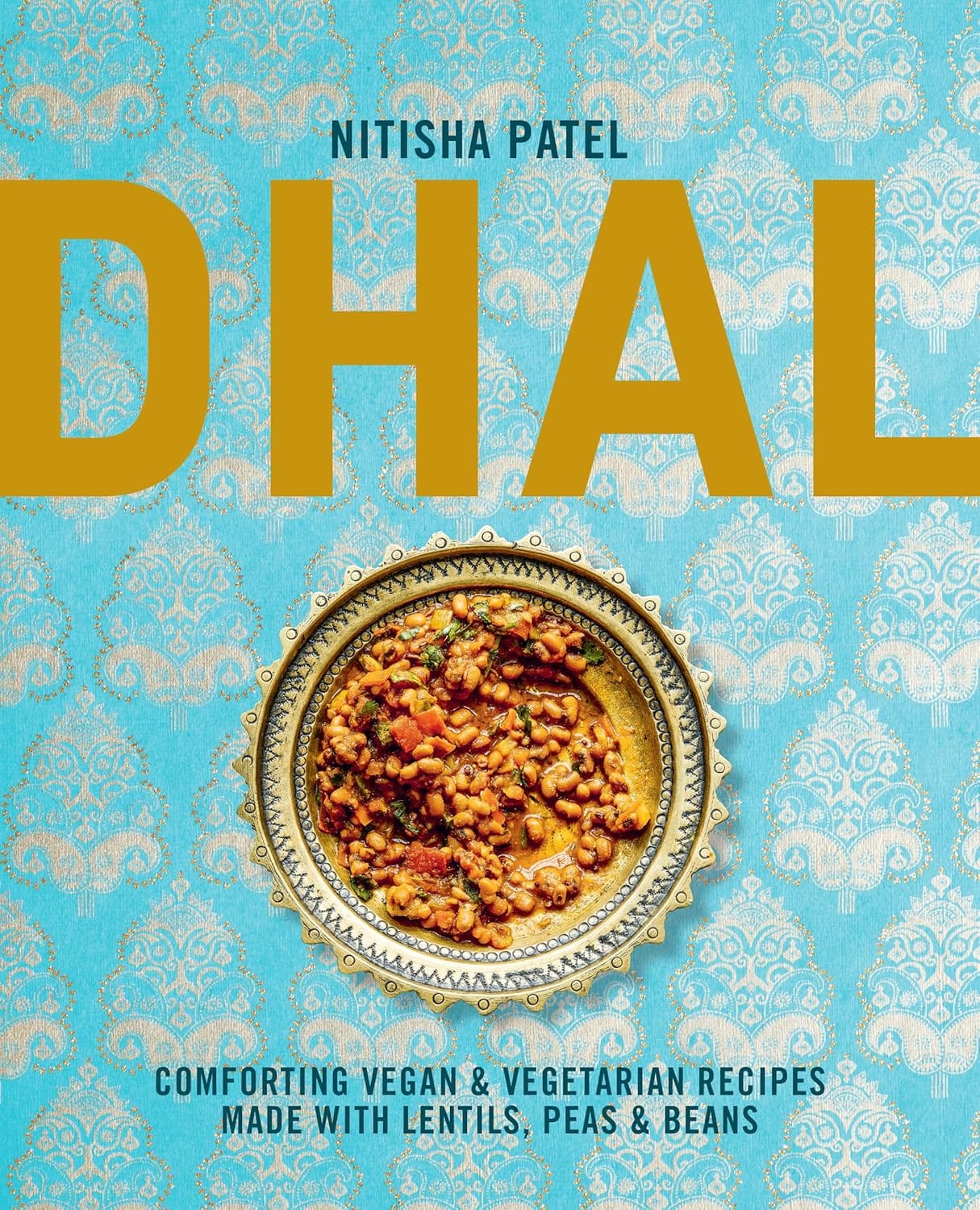
Dhal: Comforting vegan & vegetarian recipes made with lentils, peas and beans by Nitisha Patel. (Ryland Peters)
This is an updated edition of The Delicious Book of Dhal, originally published in 2019 by Nisha Patel, an award-winning chef and food consultant, and its arrival couldn’t be more timely as we head into the coldest, dreariest months of winter. “Most comfort food from childhood is evocative, but in my opinion, dhals in particular have the ability to transport you to another world with their aromatic spices and warming, nourishing taste,” Patel writes—I could not agree more, even as someone who did not grow up eating them.
This is both a useful primer for cooks new to dhal and a source of inspiration for more experienced cooks. It opens with a clear guide to pulses (the UK umbrella term for dried lentils, peas, and beans), including their specific preparation and cooking requirements, followed by a concise section on spices and herbs and three multi-purpose chutney recipes. Both metric (UK) and volume (North America) measurements are offered.
Dhal recipes are organised by pulse—toor, rajma, masoor, channa, urad, moong, lal chori, and mixed—and range from reliable UK favourites (Tadka Dhal; a classic Lal Chori Dhal made with aduki beans; a simple Gingery Masoor Dhal) to clever, more inventive variations. Highlights include Channa Dhal with Charred Sticky Paneer or Tofu; Five-Lentil Soup with Chaat Masala Kale Chips and Naan; Kichdi with Lemon Pickle; and a gently tangy Yoghurty Moong Dhal. There's plenty of recipes for accompaniments including breads, wraps, and sides (I love the idea of Brussels Sprouts and Carrot Sambharo with Urad Dhal, and a Lal Chori Dhal reimagined as a dip for Bang Bang Cauli)—plus a dessert section featuring Thai Coconut and Red Bean Pancakes and the inspired deployment of split channa dhal in Dosa Batter Cinnamon Waffles with Date Syrup.

Viennese Bakery: Classic Cakes and Bakes from Vienna's Café Culture by Bernadette Wörndl (DK)
I still laugh when I remember my first trip to Austria at eighteen, when I blew my winter student grant on coach tickets to Vienna, travelled in little more than a thin coat, and promptly half-froze to death. What saved me was the city’s café culture, where it is perfectly acceptable to linger for hours over a newspaper with a hot drink and a slice of cake or two close at hand.
So yes, I retain a soft spot for the nation’s strudels, tortes, gâteaux, and roulades, particularly those with magnificently pomp-swollen names like Marmorgugelhupf (a tall, marbled Bundt cake) and Punschkrapferl (imagine an Austrian French Fancy), both of which feature in this book. There are recipes for a marmalade roulade and the classic Sachertorte; for neat little Vanillekipferl and an Esterházy slice that reminds me of its less refined M&S facsimile; for baked cheesecake made with quark; and the remarkably-titled “Drunken Capuchin Puddings”. I adore their names.
Bernadette Wörndl studied art at the Vienna Art School before working in professional kitchens, affording her technical precision and a strong aesthetic (her love of food art began at art school). In Viennese Bakery, she adapts a collection of recipes by Therese Schultz, bakery manager at Vienna’s Grand Hotel in the 1920s, for the modern home kitchen. The book is elegantly designed, with airy, uncluttered photographs of baked goods and clearly written headnotes and instructions with metric measurements—super-important given that many of these recipes are intricate and multi-stage, requiring specific equipment. The Ischler cookies are a good example: to make them, the baker must prepare vanilla custard, cookie dough, and Parisian cream, then assemble and decorate each biscuit with apricot jam, melted chocolate, and pistachios. Overall, Viennese Bakery is an excellent primer for keen bakers looking for a guide to classic Austrian viennoiserie and pâtisserie.
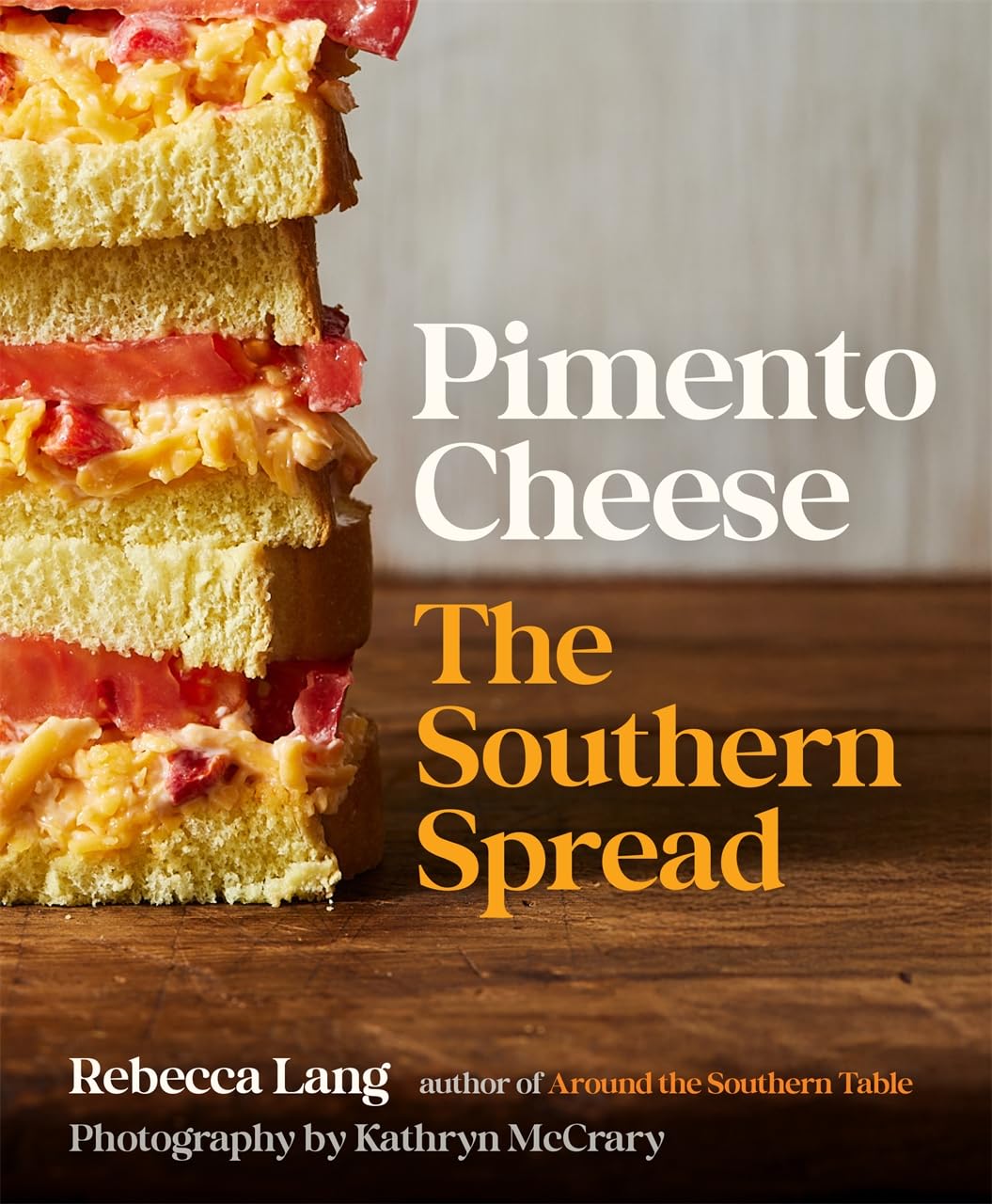
Pimento Cheese – The Southern Spread by Rebecca Lang (University of Georgia Press)
I am obsessed with pimento cheese to the degree that it’s usually the first thing I eat after arriving in New Orleans. My friend Cam Mangham always gifts me a jar made to her beloved Aunt Bobbie’s delectable recipe, to be eaten atop saltines with pepper jelly. Pimento Cheese is quintessentially Southern, and while it’s easy to make in the UK* (which I do often), nothing quite compares to pimento cheese made—and eaten—in its spiritual home.
Every Southerner has their own recipe. Most use a blend of some or all of the following: Cheddar, soft cheese, mayonnaise, and pimento peppers. Some add jalapeños, powdered cayenne, or a custom spice mix. Texture is deeply personal too: it can be whipped into a smooth paste or left chunky; thick and spreadable or loosened with extra mayo until spoonable. There are few foods Southerners feel more proprietary about.
That said, we can't all live in the South, which is where this cookbook comes in. Author Rebecca Lang began her food career apprenticing with Nathalie Dupree, the highly regarded Southern chef, author, and television host. She has since written eight cookbooks, worked as a Southern Living contributing editor, and served as a judge on a Food Network show. And I’m already a fan of Lang’s cooking: her simple recipe for Butter Saltines—brushed with ghee and baked until golden—is a favourite of mine and, unsurprisingly, an ideal vehicle for heaping piles of pimento cheese.
First Lady Rosalynn Carter’s Plains Special Cheese Ring, a recipe on Lang's blog, is republished—and yes, the combination of cheese, chopped nuts, and strawberry jam sounds alarming, but it absolutely works. There are nearly 70 recipes in total: 35 variations on pimento cheese itself, and 30 more showing how to use it, including the famous pimento cheese sandwich served at The Masters Golf Tournament in Georgia. Lang also explores the history of a food many Southerners feel a deep emotional connection to, despite what she describes in interviews as a “plot twist”: pimento cheese is instrumentally Southern, but it actually started in the North. Recipes use volume and imperial measurements.
*Homewrecker Pimento Cheese, made by Jane Davis—a Savannah native now living in England—is exceptionally good. Find it online and in various outlets across England and Northern Ireland.
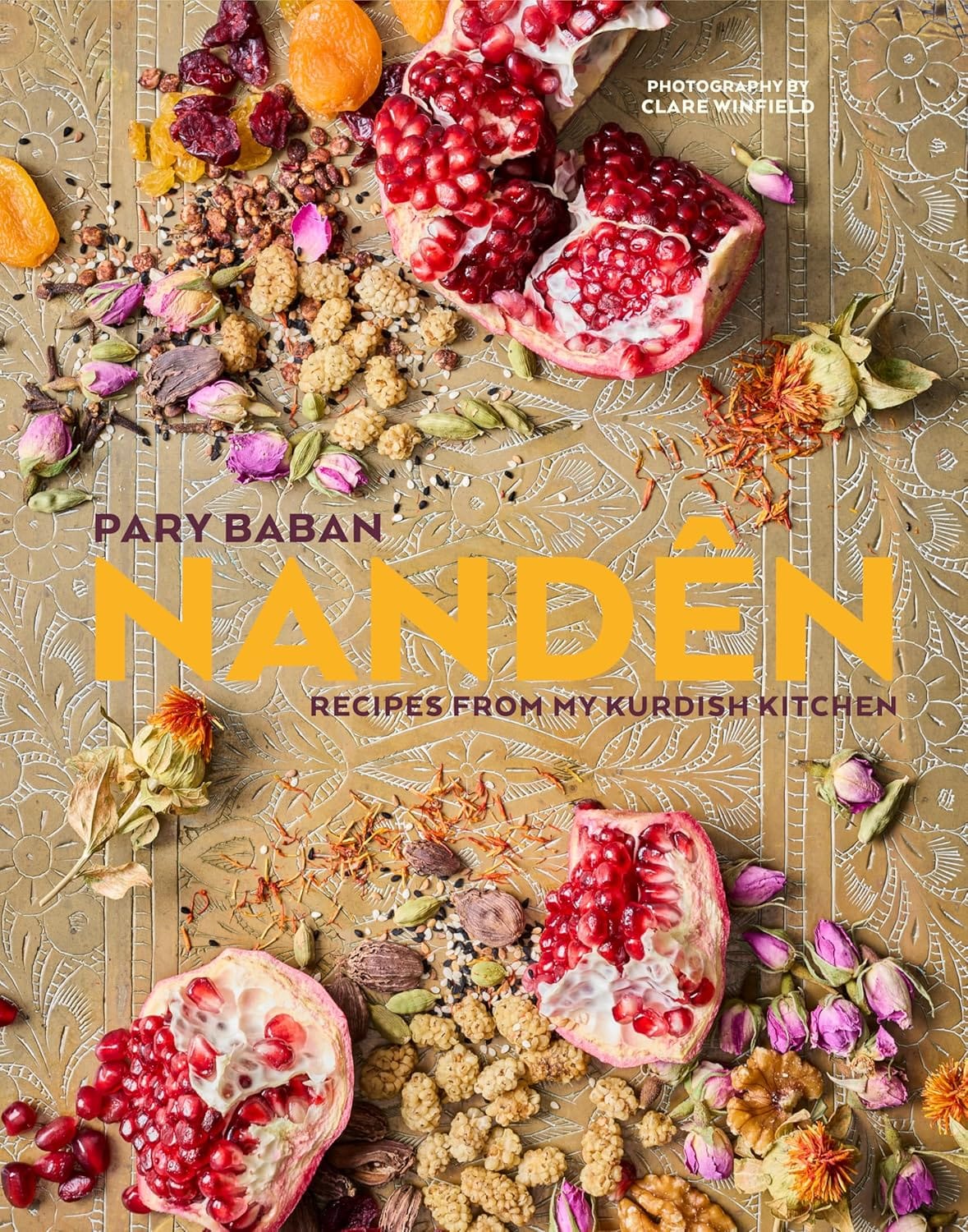
Nandên: Recipes from My Kurdish Kitchen by Pary Baban (Ryland Peters)
In 1988, Pary Baban and her family were forced to flee Bashur, in the autonomous Kurdistan Region of Iraq, after Saddam Hussein’s forces attacked. They spent a brief period in northern Kurdistan, but further unrest left them with no choice but to move on, eventually arriving in London in 1995. During this forced migration, Baban carried a notebook in which she recorded observations about food, documenting a Kurdish culture that Hussein sought to erase. She still owns it.
Baban and her husband later ran a small newspaper kiosk in London, from which she sold home-prepared sandwiches and Kurdish dishes. In 2016, she opened her restaurant, Nandine, in Camberwell. It has gone from strength to strength, becoming one of the city’s most beloved restaurants. Nandên (which means “kitchen” in Kurdish) is her first book.
“Kurdistan itself is not a recognised nation-state,” Baban explains, “but we are a people with a strong cultural identity,” one whose arts, food and language continue to thrive despite repeated attempts to destroy them. The kitchen is the centre of the Kurdish home, and the varied terrain of her ancestral region — mountains, plains and fertile valleys — has resulted in diverse cooking styles and ingredients, many of which are represented in this beautiful cookbook. Kurdish cuisine, she writes, focuses on fresh, seasonal food, reflecting semi-nomadic traditions, a harmonious relationship with nature, and a history of self-sufficient agriculture.
Baban outlines the equipment and techniques traditional to Kurdish kitchens — foraging is one example — and provides detailed descriptions of ingredients, including thoughtful substitutions. Kinger, a wild artichoke root that is difficult to source in the UK, is approximated with a blend of chopped white asparagus and leek. This guidance is particularly helpful for readers unfamiliar with Kurdish food.
The book includes two pages of occasion-specific menu suggestions alongside chapters organised around dolma and dumplings; soups and stews; skillets, grills and oven bakes; rice and bulgur dishes; pickles and ferments; sides and salads; breads; ending with drinks and sweet things. Informative sidebars add further context, covering topics such as bainjan (drying vegetables for preservation), xarman (the wheat harvest), the emotional significance of certain dishes — including Shley Barawi, a mixed vegetable and lamb stew eaten by Baban upon her return to Kurdistan after the uprising — and the many uses of cloves, from air fresheners to spicing food and decorating apples for Newroz (Kurdish New Year).
What caught my eye? Almost everything. Standouts include Yapraxi Silq (vegetables stuffed with spiced rice); Kubay Brinj (small ellipsoid dumplings filled with minced beef); Qawarmay Nok (slow-cooked chickpeas with butter, leeks and green chilli sauce); Frujaw, a vivid chicken and potato stew bright with turmeric and lemon; and the brilliantly named Quraw — the nomadic “meat in the mud”, in which lamb is cooked then mixed with yoghurt, herbs, onions and sesame seeds. There is Saawari Sûr & Meeshk ba Ruba Hanar (red bulgur and pomegranate chicken); Mizawra (a Swiss chard, herb and rice stew); the dramatic Shêlmi Kulaw (turnips cooked in black tea); and Zalatay Kuzala, a bright salad of radish, watercress and pomegranate in a caper, mustard and honey dressing. Breads appear in many forms — fluffy, flat, fried, scattered with sesame or stuffed with cheese or spring onions. And I particularly love the sound of Sharbati Mêwzh, the intriguingly named “black raisin drink”.
The book closes with sweet things: Kwlichay Gwêz (walnut-stuffed dumplings); piles of Kurdish pancakes filled with walnuts and soaked in date or grape molasses, brown butter and honey, finished with pistachios and rose petals; a cooling glass of Mastaw (yoghurt with mint and dill); and Miwani, a goat’s cheese, walnut and pistachio custard served after childbirth or bereavement. In times of mourning, it is rolled into small balls and served drier — a reminder that sweetness will return after bitterness.
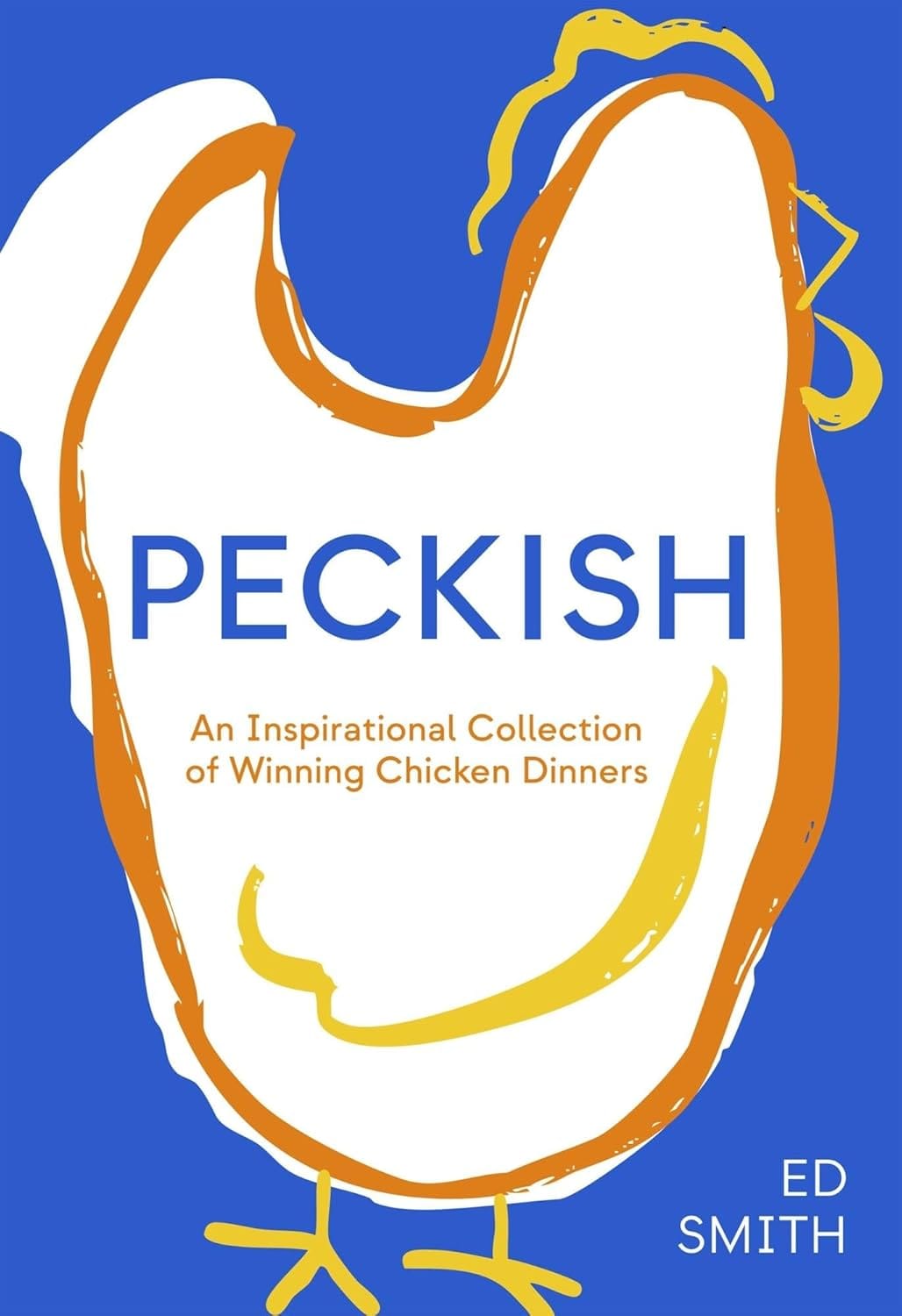

Peckish: An Inspirational Collection of Winning Chicken Dinners by Ed Smith (Quadrille UK Ltd)
I don't subscribe to the pov that one must cook from a cookbook to find it useful or inspiring. I own thousands; it would be impossible to follow even a fraction of the recipes I am exposed to, nor do I wish to. Their value lies beyond that. Yet Ed Smith's cookbooks have a place on my kitchen shelf because I consult them regularly, cooking his recipes verbatim, sans amendment. Not many cookbooks make it onto that shelf. I even used his (credited) recipes when cooking Sunday lunch at a local pub (Smith trained as a chef, so it's no surprise his recipes easily scale for a professional kitchen). His recipes are expertly written, producing delicious and achievable meals with an enormous amount of flair, underpinned by a sensitivity to time, energy and what works with what. And he's artistic; all his books are so exquisitely designed without sacrificing utility to aesthetics.
Peckish includes 80 chicken dinner recipes, organised by cut — i.e. thighs, breasts, the whole bird or its carcass (i.e. 'mince, wings and offal'), guides to basic chicken butchery including how to spatchcock a whole chicken and how to carve (including QR codes for video instructions), and each section is prefaced by cook's notes packed with information about anatomy, preparation, and storage. His notes on chicken wings are a great example: "There are three parts to a chicken wing: the tip, the flat, and the drum. They can be separated before cooking (if you want) by cutting through the obvious joint between them. The tips are, as you might imagine, at the tip of the wing and don’t offer a great deal, although they’re worth a gnaw, and work well as a handle. The flats sit in the middle and comprise an excellent mouthful of slippery meat. And then the drums look, well, like mini drumsticks. They’re the bit that remains on the breast when it’s a ‘supreme’; but if cut from the bird, then they provide a good few bites (albeit the meat is slightly leaner and dryer than flats." So informative!
I loved the section titled How Would You Like Your Chicken?, which classifies recipes — complete with page numbers — by flavour (bright and fresh; saucy), mood (wholesome), time (speedy, low-effort), or occasion (with friends). It’s a genuinely useful methodology and recalls the six flavour profiles Smith used to organise recipes in his second book, Crave.
Several dishes immediately caught my eye: Garlic Butter Chicken Balls with Orzo; Roast Thai-ish Thighs with a Hot and Sour Salad; Fish Sauce Caramel Wings inspired by a dish at London’s Smoking Goat; and a Cumin- and Sumac-Spiced Chicken Liver Salad using red chicory leaves. I’ve already made Smith’s Olive-Brined Chicken and Halloumi Buns (amazing), and next on my list are a steadying bowl of Lemon, Ginger and Turmeric Chicken Broth and his Chicken, Potato and Comté “Pillow Pie” — one of several excellent pie recipes. His Charred Red Cabbage, Blood Orange and Chicken Salad feels like a perfect late-winter meal and one I plan to make asap.
Whole legs are used to good effect in an elegant Poulet au Vinaigre, or curried and cooked in one pan with carrots, coconut and corn. Smith is particularly strong when it comes to chicken breasts — so often dry and bland when cooked without sufficient fat or liquid — whether velveted and stir-fried with oyster sauce (velveting is a Chinese technique where the meat is marinated and tenderised with cornflour and bicarbonate of soda), poached to serve with herby lentils and sauce Dijonnaise, or turned into an all-purpose recipe for breaded cutlets, complete with suggestions for what to serve alongside.
A final section on using up leftovers includes an all-purpose chicken stock, Economy Curry, Kimchi Chicken Mayo Sandwiches, and Babcia’s Chicken Soup — reverse-engineered from Smith’s wife’s memories of her Polish grandmother’s version.
Soomaaliya: Food, Memory, and Migration: A Cookbook by Ifrah F. Ahmed (Hardie Grant US)
In 1978, A Cookery of Somali Style: Habka Cunto-Karinta Soomaaliyeed by Asha Mohamud Guled—the first Somali cookbook ever written—was published. Nearly half a century later, Soomaaliya by Ifrah F. Ahmed is a timely and important addition to the canon of regional and national African cookbooks, arriving at a moment when cultural erasure is an escalating risk. Somalis have endured decades of forced migration as a consequence of civil war, and now face renewed precarity under the rise of fascism in the United States, where diasporic communities once again confront displacement and marginalisation. For food traditions sustained largely through oral traditions, the stakes could not be higher. Against this backdrop, Ahmed tells the story of her country and its diaspora through its food: profiling Somali chefs, food writers, and producers; tracing the histories of ingredients; and locating recipes within a broader cultural landscape.
She reminds us that Somalia was called “a nation of bards” by the explorer Richard Burton, Regio Cinnamafore by the Ancient Romans, and many names besides, while “Soomaaliya” itself carries multiple (often poetic) etymologies. It is, Ahmed notes, one of the most homogeneous nations on the African continent, with 99.9% of its people sharing a single religion.
The recipes are beguiling. Malawax, thin, fragrant crêpes made with eggs, milk, cinnamon, and cardamom, are cooked in ghee, then drizzled with more ghee and finished with sugar. Suqaar Digaag, bowls of chicken and vegetable broth, are brightened with Xawaash (an aromatic blend of black pepper, cardamom, cinnamon, cloves, coriander, cumin, and turmeric), sliced red and yellow peppers, and lemon juice. Koosto iyo Baamiye ( a stew made with Swiss chard and okra) is served with Soor (corn grits). And Ahmed’s recipe for Nafaqo, a fried snack similar to a Scotch egg, except the egg is encased in mashed potato instead of sausagemeat, is fun. Cardamom appears again and again: in Bariis (spiced rice); in Bur Kuus Kuus, small fried beignets served as part of casariyo or as an Iftar treat; to flavour Moos Bukeeni, caramelised plantains; in cups of Shaah (tea), to flavour Icun, tiny shortbread cookies served at weddings; and Doolsho, a delicate cardamom cake. The book’s many pasta recipes are a legacy of Italian colonial rule (Somali Lasagne is just one) and a plethora of recipes using goat reflect Somalia’s agrarian and herding traditions (‘Kalamuudor’ pairs goat ragu with handmade pasta). The country’s much-loved fruity and vivid pickles and hot sauces are well-represented. Two standouts: Basbaas Cagaaroo la Tumay (a chunky pounded green sauce) served with fish or meat, and Liimo Ajaar from Southern Somalia, a lemon, turmeric and chilli pickle made with the juice and flesh of whole fruit that accompanies rice and pasta dishes, although they have limitless possibilities. Measurements are metric and volume.
A gorgeous recipe for Mallaay Qumbe, a coconut fish curry flavoured with Xawaash, is followed by a detailed essay explaining how civil unrest and war in Somalia left its people vulnerable to geopolitical exploitation by foreign nations (including illegal overfishing) and the damage this caused to its nascent fishing industry. This nuanced and compassionate explanation helped me understand why piracy happens, as well as the unfair way Somalia is stereotyped and defined by it.
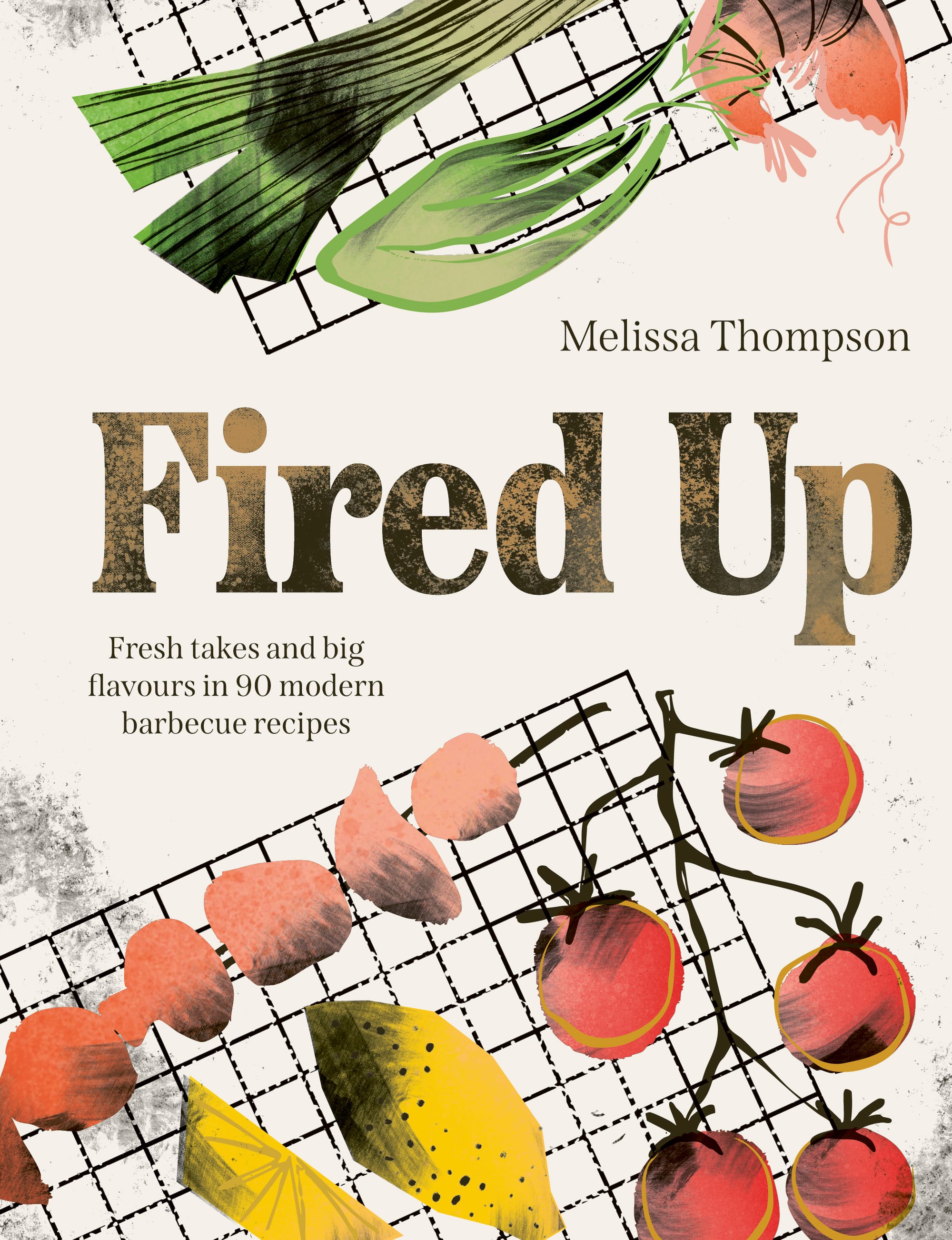
Fired Up: Fresh takes and big flavours in 90 modern barbecue recipes by Melissa Thompson (Carnival)
"During the 1980s in Australia, Paul ‘Crocodile Dundee’ Hogan filmed a television advert that used the nation’s love of a ‘barbie’ as a central theme. Here in the UK, we also had television adverts about barbecue. Only ours were from the Food Standards Agency, in charge of protecting food-related public health, warning against the dangers of an undercooked sausage and soundtracked with ‘When Will I See You Again’ by the Three Degrees," writes Melissa Thompson in her introduction to this, her second cookbook. "There was very little love in British barbecue and a lot of fear and nervousness. Over the last 20 years, that’s changed hugely...."
In the UK, the history of barbecue, backyard grilling and live-fire cooking has been heavily male-dominated, and many books in this space weave a narrow, traditional masculinity into their identity. The result is a genre that has become deeply stereotyped. Thompson is a welcome counterpoint.
She writes about our shared, instinctive drive to cook over fire: “I genuinely believe it’s in our DNA, thanks to our shared hunter-gatherer ancestors and the fires they cooked over. So when we begin learning to barbecue, we’re not starting from scratch but remembering a long-forgotten skill.” Fired Up, she explains, is both a practical tool — teaching the basics so you can barbecue with confidence — and a cookbook full of imaginative, delicious recipes tailored to even the most experienced barbecuers. And if you don’t have a barbecue, the recipes translate easily to indoor cooking.
Recipes are helpfully organised by the time required for prep and cooking, and the book includes sides, puddings and rubs. A section titled “Project Cooks” is devoted to dishes that take more than a day. Thompson’s advice to use the barbecue fire for as many elements of a dish as possible is smart. “If I’m making a base sauce with onions, garlic and peppers, I will roast the onions and peppers in their skins until they are sweet and rich with flavour before chopping them and adding them to the dish. Bulbs of garlic will be roasted in their skins,” she writes. Elsewhere, there are clear sections on barbecue basics, set-ups and equipment, as well as the debunking of common barbecue myths.
Vegetarians are well catered for. The first recipe in the book is Grilled Peaches with Artichokes and Buffalo Mozzarella, and Thompson also shares Courgette and Mushroom Skewers with Lemongrass and Tamarind, first served at a barbecue on her own street. Grilled Cabbage with Crispy Chickpeas and Garlic Yoghurt, Corn with Butter and Black Pepper, and Smoky Cream of Tomato Soup with Fire-Grilled Toasties all caught my eye, as did her Baked Cherry Custard and Tiramisu French Toast. Most of the sides and puddings are suitable for lacto-ovo vegetarians, and vegans won't have too much trouble adapting most of the recipes.
There are guides to cooking the perfect steak and hot-smoked trout, alongside dishes that honour Thompson’s Jamaican heritage, including Curry Oxtail and Curry Fish Escovitch. Other standouts include a Seafood Barbecue Boil, Grilled Lamb Chops with Peanut, Garlic and Cumin, Smoked Pan Con Tomate with Anchovies, Pork Chops with Apple Butter and her fabulous Barbecued Beans on Toast.
Some more books to look out for:
- The Gourmand's Mushroom. A Collection of Stories & Recipes by The Gourmand (January, Taschen)
- The Red Sea Cookbook: Over 100 Family Recipes and Stories from Saudi Arabia by Madeeha Qureshi (February, Nourish)
- Cocina Puerto Rico: Recipes From My Abuela's Kitchen to Yours by Mia Castro and Giovanna Huyke (February, Union Square & Co)
- Simply Donabe: Japanese One-Pot Recipes by Naoko Takai Moore (February, Quadrille Publishing Ltd)
- Fermented Dairy of Central Asia by Simi Rezai-Ghassemi (February, Equinox Publishing Ltd)
- The Art and Science of Tempura: A Comprehensive Guide to Ingredients, Techniques and Equipment by Takashi Nakagawa, Hidemi Sato and Mitose Tsuchida (February, Tuttle Publishing)
- The Epic History of Macaroni and Cheese: From Ancient Rome to Modern America by Karima Moyer-Nocchi (February, Columbia University Press)
- The Racine Effect: Classic French Recipes from a Lifetime in the Kitchen by Henry Harris (March, Quadrille Publishing Ltd)
- Kimchi: 80 Recipes for Classic Kimchi and Modern Twists by Jihyun 'Kimmy' Kim (March, Yellow Kite)
- Bittersweet: The Five Tastes of Dessert and Beyond (A Baking Book) by Thalia Ho (March, Harvest)
- Edible & Medicinal Seaweeds: A Guide to Healing & Nutritive Ocean Plants by Tasha Greenwood (March, Storey)
- Recipes From the Rum Islands: Food and Stories From the Caribbean by Shivi Ramoutar (March, Headline Home)
- I Sleep in my Kitchen: Comfort Food From my Palestinian American Home: A Cookbook (March, Random House Inc)
- Ibrik: The Balkan Table: 100 Recipes from Bucharest to Istanbul by Ecaterina Paraschiv (March, Smith Street Books)
- A Taste of Madagascar: Culinary Riches of the Red Island Kindle by Emmanuel Laroche (March, Post Hill Press)
- Tamu: A Journey Through Africa's Plant-Based Cuisine by Jane Nshuti and Livhuwani Ravel (March, Prestel)
- The Secret History of French Cooking: The Outlaw Chefs Who Made Food Modern by Luke Barr (March, Dutton)
- The Butter Book by Anna Stockwell (March, Chronicle)
- Indian Street Food: A street food journey through India by Chetna Makan (March, Hamlyn)
- Cauliflower: Over 65 Deliciously Creative Recipes, From Ricing to Roasting by Kathy Kordalis (March, Ryland, Peters & Small)